Bugs and Bunny: A Designer’s Review for Boutique Sweatshirts
As an embroidery designer who has spent years refining digitizing techniques for small boutique brands, I approach every new machine embroidery design with a critical eye. It is not just about whether the image looks cute on a screen; it is about how that design translates into thread on fabric, how it withstands washing, and ultimately, how it sells. Recently, I evaluated Bugs and Bunny for a limited-edition sweatshirt drop, and the results were surprisingly versatile for a seasonal release.
The product description promises an "extremely adorable and playful" character, which is a bold claim in the saturated market of holiday apparel. For this review, I imagined preparing a capsule collection for a small online shop targeting customers who value handmade quality over mass-produced fast fashion. The goal was to determine if Bugs and Bunny could elevate a simple garment into a premium handmade product.
First Impressions and Design Personality
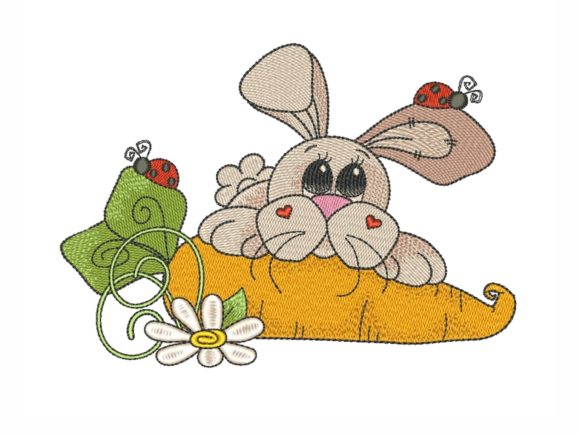
When I first loaded the digital embroidery file into my software, the immediate impression was one of softness. The lines are clean, avoiding the jagged edges that often plague lower-quality digitizing. The mood is undeniably playful, yet it retains a level of sophistication that prevents it from looking childish. This balance is crucial for adult-sized apparel, particularly oversized hoodies and cozy seasonal wear where the wearer wants to feel whimsical but stylish.
The layout appears well-centered, with a density that suggests durability without being overly stiff. For a boutique brand, the "stitching personality" matters. Does it look like a generic clipart conversion, or does it have the flow of custom artwork? Bugs and Bunny leans toward the latter. The details are distinct enough to be recognized from a distance, which is essential for social media marketing and lifestyle product photography. When viewed as a finished embroidered product, the design feels decorative yet minimal enough to fit into a modern aesthetic.
Application on Sweatshirts and Hoodies
The primary test for any hoodie design is how it interacts with different fabric textures and colors. I visualized Bugs and Bunny on several key pieces in a typical spring inventory:
- Neutral Sweatshirts: On heather grey or oatmeal-colored fleece, the design pops with clarity. The contrast allows the stitch definition to shine, making it an ideal choice for a classic, understated look.
- Dark Fabric: Placing this design on navy or black requires careful thread color selection. Lighter pastels or bright whites would create a striking contrast, ensuring the bunny remains visible and vibrant against the deep background.
- Pastel Colors: For a true Easter vibe, stitching this onto blush pink, mint green, or lavender creates a cohesive, soft aesthetic. Here, the design feels feminine and delicate, perfect for a boutique brand targeting a younger demographic or those seeking gentle seasonal decor.
- Oversized Hoodies: The scale of Bugs and Bunny seems appropriate for chest placement on oversized garments. It does not get lost in the expanse of fabric, nor does it overwhelm the wearer.
This versatility makes it a strong candidate for custom apparel lines where variety is key. Whether used for a bold statement piece or a subtle accent, the design adapts well to the garment's tone.
Technical Considerations for Production
For any Etsy seller or small shop owner, technical reliability is non-negotiable. Before running a production batch, there are several practical concerns to address regarding Bugs and Bunny. Since the specific technical specs were not provided in the brief, I must remind fellow designers to always check the stitch count, file format compatibility, and recommended hoop size before starting.
Stitch Density and Fabric Thickness: Sweatshirts are thick, often featuring a terry loop interior. A design with too high a stitch density can cause puckering or make the garment uncomfortable to wear. Based on the "playful" nature of the design, I anticipate a moderate density that fills the shapes adequately without creating a heavy, cardboard-like feel. Testing on scrap fabric identical to your final product is essential to gauge this.
Stabilizer Choice: For fleece and heavy cotton blends, a cut-away stabilizer is generally recommended to provide long-term support. This ensures that the sweatshirt embroidery maintains its shape after multiple washes. If you are using a lighter jacket material, a tear-away might suffice, but for premium durability, cut-away is the safer bet for commercial use.
Thread Color Contrast: The success of this design hinges on your thread palette. Because the design is described as adding a "fun character," do not be afraid to experiment with variegated threads for the bunny’s ears or body. This adds depth and a handmade touch that buyers appreciate. However, ensure there is enough contrast between the elements so the details do not blur together.
Small-Size Readability: If you plan to offer this as a sleeve accent or on smaller items like pajamas, verify that the fine details remain legible at reduced sizes. Some intricate stitches may need to be simplified or removed if scaling down significantly.
Brand Value and Market Appeal
Beyond the technical aspects, how does Bugs and Bunny contribute to brand identity? In the world of commercial embroidery, consistency and recognition are vital. A well-executed, adorable design can become a signature element for your shop. Customers often return for the specific aesthetic they associate with your brand. By offering a high-quality, professionally stitched item, you build buyer trust.
Using Bugs and Bunny in your design assets and printable mockups can significantly boost engagement. High-resolution images of the embroidered texture on cozy fabrics perform well on social platforms. It tells a story of comfort and joy, which resonates deeply with consumers looking for meaningful purchases. For an Easter collection, this design offers a fresh alternative to traditional religious or overly commercial motifs, appealing to those who celebrate the season with a focus on renewal and playfulness.
Furthermore, the versatility of the design extends beyond apparel. As noted in the description, it works on home decor and jackets. This allows for cross-promotion within your store. A customer buying a hoodie might also purchase a matching pillowcase or tote bag, increasing the average order value.
Final Verdict for Boutique Owners
In conclusion, Bugs and Bunny is a promising addition to any spring or Easter inventory. It balances cuteness with a level of design integrity that suits premium boutique standards. For small business owners, it offers a low-risk, high-reward opportunity to refresh their product line. Remember to validate the specific hoop size and file formats for your machine, choose your stabilizer wisely, and select thread colors that enhance the playful spirit of the bunny.
By treating this embroidery file not just as a graphic, but as a tactile element of your brand’s story, you can create pieces that customers cherish. Whether stitched on a cozy hoodie for a chilly morning or a light jacket for a spring outing, Bugs and Bunny has the potential to become a bestseller in your small shop product lineup.