Reviewing Christmas Shooting Star for Craft Fair Success
As an embroidery designer who has spent countless weekends behind a booth table, I know that not every design translates from the screen to the sales floor. When I first loaded Christmas Shooting Star into my software, my immediate goal was to determine if it had the visual punch required to stop a scrolling customer or a walking shopper in their tracks. The product description promises a colorful and cheerful aesthetic, claiming this beautiful Christmas embroidery will brighten up your winter holiday projects. For those of us turning digital files into tangible income, that promise needs to hold up under the harsh lighting of a convention center or the soft glow of an Etsy listing.
First Impressions and Visual Appeal
The title alone suggests movement and energy. In the crowded marketplace of holiday decor, static designs can sometimes feel flat. A shooting star implies magic, wishes, and a touch of whimsy. Upon reviewing the digitization, the design feels festive and modern rather than strictly traditional or rustic. It does not rely on heavy, old-fashioned motifs but instead offers a bright, eye-catching element that appeals to a broad demographic. For craft fair sellers, this is crucial. You need items that appeal to the traditional grandmother buying for her grandchildren and the young professional looking for a trendy accent piece.
The color palette described as colorful suggests high contrast. In embroidery, contrast is king. If this design utilizes vibrant thread colors against neutral backgrounds, it will stand out significantly. However, designers must be cautious. Too many colors can increase production time and thread breaks. The key is balancing vibrancy with stitch efficiency. This design appears to prioritize cheerfulness, making it an excellent candidate for products that need to evoke immediate joy.
Product Applications for Maximum Sales
When preparing my booth inventory, I look for versatility. A single machine embroidery design that works across multiple product lines increases my return on investment. Here is how Christmas Shooting Star performs across various handmade items:
- Tote Bags: This is arguably the best application. A large, centered shooting star on a canvas tote creates a bold statement piece. It serves as both a functional item and a festive accessory. As a tote bag design, it allows for larger hoop sizes, showcasing the detail without crowding.
- Tea Towels and Aprons: Kitchen textiles are perennial bestsellers. For tea towel embroidery, placement is critical. A corner placement keeps the design visible when folded, while a central motif on an apron bib draws attention to the face of the wearer. The cheerful nature of the design fits perfectly in a culinary context.
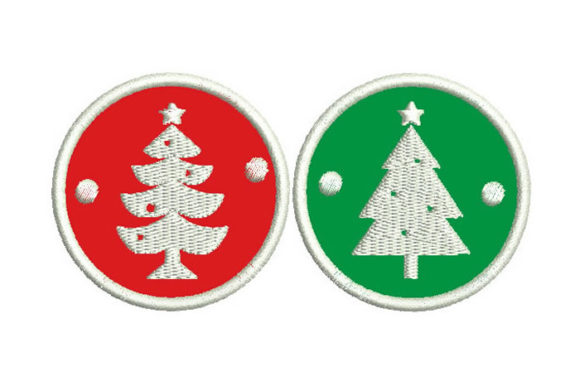
- Embroidered Patches: Patches are low-risk, high-volume items. If the design scales down well, it becomes a perfect add-on purchase. Customers love adding a festive patch to a denim jacket or backpack. This transforms the design into a versatile embroidered patch option.
- Pillow Covers: Home decor buyers look for seasonal updates. A shooting star on a velvet or linen pillow cover adds a touch of luxury. It elevates the perceived value of the handmade product.
Production Practicality and Stitch Density
From a production standpoint, we must consider stitch density. Holiday designs often suffer from excessive density, leading to puckering and needle breaks. When reviewing Christmas Shooting Star, I check the pathing. Does it jump excessively? Are there dense fill areas that might cause stiffness? For a design meant to be cheerful and light, the stitch work should feel airy yet substantial.
If you are using this as a digital embroidery file for commercial purposes, always test on your specific machine. Different brands interpret tension differently. I recommend running a test stitch-out on scrap fabric identical to your final product. Pay close attention to the thread colors. If the design uses metallic threads for the star effect, ensure your machine can handle them without excessive breakage, which kills profit margins at a craft fair.
Navigating Fabric and Hoop Constraints
Not all fabrics behave the same. A craft fair product must look professional. Using the wrong stabilizer on textured towels can result in a messy backside. For terry cloth tea towels, a cut-away stabilizer is often necessary to support the stitches. Conversely, for woven cotton tote bags, a tear-away might suffice if the density is low. Always match your stabilizer to the fabric texture.
Curved surfaces like caps present another challenge. If you plan to embroider this on hats, ensure the design fits within the standard cap frame. A shooting star might have trailing elements that extend beyond the typical 4x4 or 5x7 area. Check the hoop size requirements carefully. If the design is too wide, it may distort on the curved surface of a baseball cap.
Marketing and Online Presence
For the Etsy seller or online boutique owner, photography is everything. Christmas Shooting Star needs to pop in thumbnails. Because the design is described as colorful, it should photograph well against white, cream, or deep navy backgrounds. Create a printable mockup or a high-quality photo of the finished item to use in your listings. Show the design in context—on a cozy armchair, hanging in a kitchen, or being held by a model.
Use keywords that reflect the mood. Terms like "whimsical holiday decor," "modern Christmas embroidery," and "festive handmade gift" help buyers find your small shop product. Remember, you are selling the feeling of the season as much as the thread itself.
Final Designer Notes and Licensing
Before committing to a large batch of commercial embroidery products, verify the license terms. The description states this embroidery file comes with multiple formats and can be used with various machines, but always confirm if commercial use is included for physical goods. Never assume. Protect your business by keeping records of your design assets and licenses.
In conclusion, Christmas Shooting Star offers a vibrant, cheerful option for holiday collections. Its strength lies in its versatility and visual appeal. By carefully selecting the right products, managing stitch density, and presenting it with professional photography, this design can become a staple in your winter inventory. Test it, tweak it, and let it shine in your next finished product lineup.