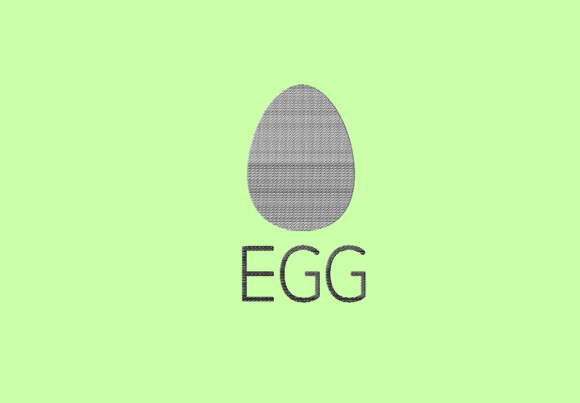
Reviewing the Egg Embroidery Design for Craft Fair Success
As an embroidery designer who has spent countless weekends behind a booth table, I know that not every design translates into sales. Some are technically perfect but visually quiet; others are bold but impractical to stitch. When I first loaded the Egg machine embroidery design onto my hoop, I was looking for that specific spark that turns a browser into a buyer. This review breaks down how this simple, cute motif performs in the real world of handmade markets and online shops.
First Impressions: Simplicity Sells
The immediate vibe of the Egg design is approachable and versatile. It does not scream for attention with complex shading or thousands of stitches. Instead, it relies on clean lines and a charming simplicity that fits perfectly into several trending aesthetics. Whether you are aiming for a rustic farm decor look, a modern minimalist kitchen style, or a playful Easter theme, this design adapts effortlessly. For craft fair sellers, this is crucial. Customers walking past your booth have seconds to decide if they stop. A design that is easy to understand at a glance, like this egg motif, reduces cognitive load and invites a smile.
The description mentions suitability for kitchen projects and restaurant designs, which rings true. However, do not limit yourself to the kitchen. The universal shape of an egg makes it a strong candidate for spring collections, baby showers, and even humorous gift items. It feels less like a seasonal restriction and more like a year-round staple with peak popularity in spring.
Product Applications and Market Fit
To maximize return on investment, you need to place the right design on the right product. Here is how Egg performs across various handmade items:
- Tote Bag Design: This is perhaps the strongest contender. A centered egg on a natural canvas tote creates an instant bestseller. It is large enough to be seen from a distance but simple enough to keep production costs low.
- Apron Embroidery: For restaurant designs or home chefs, placing this on a bib apron adds a touch of whimsy. It works well as a focal point on the chest pocket or as a repeated pattern along the hem.
- Tea Towel Embroidery: Kitchen towels are high-volume sellers. Because the design is described as simple, it likely avoids the puckering issues common with dense designs on thin linen. Ensure you use a proper stabilizer to keep the fabric flat.
- Embroidered Patch: If the design scales down well, it makes an excellent iron-on or sew-on patch. Patches are low-commitment purchases for customers who want to test your brand style.
- Caps and Hats: Curved surfaces are tricky. If the design is too wide, it will distort on a cap front. Check the width dimensions carefully. If it is compact, it could work as a small left-chest accent.
For Etsy sellers and digital sellers, this design offers great potential for printable mockups. You can create lifestyle images showing the egg on various textiles, helping customers visualize the finished product before they buy the digital embroidery file.
Production Practicality for Small Shops
Time is money in commercial embroidery. One of the biggest advantages of the Egg design is its likely efficiency. Simple shapes usually mean lower stitch density, which translates to faster run times and less thread consumption. This allows you to batch produce items like pillow covers and market bags more efficiently. When you are preparing for a weekend craft fair, being able to restock quickly is a massive advantage.
However, simplicity requires precision. With fewer stitches, every thread placement matters. There is no complex texture to hide minor tension issues. You must ensure your machine is calibrated perfectly. I recommend running a test stitch on scrap fabric that matches your final product material. Pay close attention to thread colors. A classic white egg on a pastel background looks soft and premium, while a bright yellow yolk detail needs to pop without bleeding into the white.
Navigating Technical Challenges
While the design is cute, there are practical considerations to address before listing it as a craft fair product. First, consider the fabric texture. Thick, textured towels can swallow up fine details. If the egg outline is very thin, it might get lost in a waffle-weave fabric. In such cases, opt for smoother cotton or linen blends.
Second, be mindful of dark fabrics. If you plan to sell black tote bags or navy aprons, you will need to use a bright underlay or choose thread colors with high contrast. A white egg on black fabric looks striking, but only if the satin stitches are dense enough to cover the background completely. Gaps in coverage look amateurish and devalue your handmade product.
Also, check the hoop size requirements. The product description notes that it comes with multiple embroidery files, which is excellent for flexibility. Always confirm which hoop size corresponds to which file version. Using a design meant for a 5x7 hoop in a 4x4 hoop will result in truncation and wasted materials.
Boosting Brand Consistency and Visual Appeal
Using a consistent design element like Egg can strengthen your brand identity. If your shop focuses on food-related or farmhouse decor, this design becomes a signature element. Customers begin to recognize your style. When displayed in a booth, group items featuring this design together. Create a "Kitchen Collection" display with matching tea towels, aprons, and pot holders. This visual cohesion encourages bundle purchases, increasing your average order value.
For online listings, high-quality photography is non-negotiable. Take close-up shots that show the stitch quality. Highlight the texture of the thread against the fabric. Use natural light to showcase the true colors. A well-lit photo of a simple, clean embroidery design often outsells a poorly lit photo of a complex one.
Final Designer Notes
Before you launch this design into your store, take these final steps. First, verify the commercial licensing terms. Ensure that purchasing the digital embroidery file grants you the right to sell finished products. Second, create at least one real physical mockup. Do not rely solely on digital previews. Hold the item in your hand. Does it feel premium? Is the stitching smooth? Would you buy it?
The Egg design is a solid addition to any embroidery business portfolio. It balances aesthetic appeal with production efficiency. By choosing the right fabrics, optimizing your stabilizer choice, and presenting it within a cohesive collection, you can turn this simple motif into a reliable revenue stream for your small shop. Whether you are an experienced Etsy seller or a new craft fair vendor, this design offers the versatility needed to thrive in the competitive handmade market.