Cute Bear Embroidery: A Designer’s Practical Review
When I first pulled up the Cute Bear file on my screen, I wasn’t looking for complexity. I was looking for charm that translates well through thread. As a designer who has spent countless hours digitizing and testing machine embroidery designs, I know that what looks good on a monitor does not always stitch out cleanly on fabric. This particular design caught my eye because of its balanced simplicity. It promises to add a wonderful character to your designs, but the real question is whether it holds up under the needle during actual production.
I decided to test this machine embroidery design by integrating it into a small batch of custom children’s apparel and a few tote bags for a local craft fair. My goal was to evaluate not just the aesthetic appeal, but the technical reliability of the stitch pattern. Here is my honest assessment of how Cute Bear performs in real-world scenarios.
First Impressions and Visual Personality
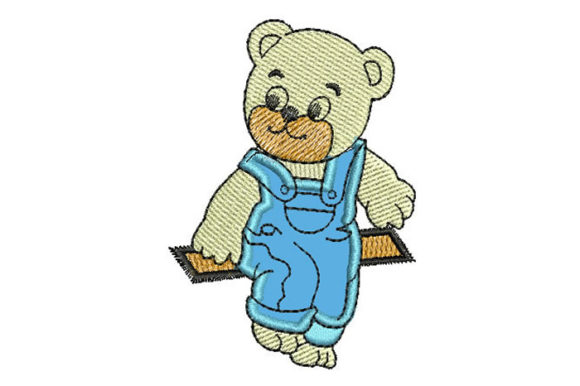
The immediate mood of Cute Bear is warm and inviting. The shape is rounded and soft, avoiding sharp angles that can often cause thread breaks or puckering in smaller hoop sizes. The layout feels centered and balanced, which is crucial when you are working with limited space on items like baby onesies or pocket areas on adult sweatshirts.
What stands out is the detail level. It is detailed enough to be recognizable as a teddy bear from a distance, yet simple enough that it doesn’t become a dense blob of thread. For Teddy Bears themed projects, this balance is rare. Many designs lean too heavily into intricate fur textures, which can look messy on textured fabrics. This design relies more on solid shapes and clean outlines, making it versatile for various embroidery applications.
Real-World Application: From Totes to Tiny Sleeves
I started my practical test with a canvas tote bag design. Canvas is unforgiving; if a design has poor stitch density or lacks proper underlay, the fabric shows through. Cute Bear handled the heavy weave beautifully. The fill stitches were dense enough to cover the material without being so thick that they caused the bag to stiffen unnaturally. The result was a professional-looking handmade product that felt durable.
Next, I moved to sweatshirt embroidery. This is where many designs fail due to the nap of the fleece. I used a tear-away stabilizer and adjusted my tension slightly. The bear stitched out clearly, with the facial features remaining distinct against the fuzzy background. This makes it an excellent choice for custom apparel aimed at older children or adults who want a subtle, nostalgic touch.
For baby embroidery, I tested it on a cotton onesie. Here, the softness of the design really shined. Parents are often wary of scratchy or heavy embroidery on sensitive skin. Because Cute Bear uses a mix of satin and fill stitches rather than exclusively dense satin columns, the finished product remained soft to the touch. It is perfect for personalized gift items where comfort is as important as aesthetics.
Technical Considerations for Designers
While Cute Bear is user-friendly, there are specific situations where you need to proceed with caution. If you are planning to use this on dark fabric, pay close attention to your thread colors. The design relies on contrast for its facial expressions. If you use dark thread on dark fabric, the bear’s personality may get lost. I recommend doing a test stitch on scrap fabric first, especially if you are deviating from standard color palettes.
Another critical factor is the hoop size. Although the description mentions it comes with multiple sizes, always verify the smallest version fits your intended project. For curved surfaces like caps or hats, ensure the design is scaled appropriately to avoid distortion. A design that looks perfect flat can warp when stitched onto a curved brim. I found that keeping the design within the central 4x4 inch area yielded the best results for most standard hoops.
Stitch density is another area to watch. While generally well-balanced, if you are using very thin or stretchy fabric, you must use a cut-away stabilizer. The fill stitches have enough weight that they could cause slight pulling on lightweight knits if not properly supported. Always inspect the back of your stitching. If you see excessive pull, adjust your stabilizer or reduce the stitch density in your software if you have the editable file.
Commercial Viability and Brand Consistency
For Etsy sellers and small shop owners, consistency is key. Cute Bear offers a reliable look that can become part of your brand identity. Whether you are creating holiday embroidery for Christmas ornaments or year-round embroidered patch products, this design maintains a high level of professionalism. It does not look amateurish or hastily digitized.
When creating printable mockup assets for your online store, this design photographs well. The clean lines translate effectively into digital images, helping potential customers visualize the finished product. This can significantly boost buyer engagement and trust. Customers are more likely to purchase when they can see clear, crisp details in your product photos.
However, before selling any commercial embroidery items, you must confirm the licensing terms. The product description states it comes with multiple formats, but it does not explicitly detail commercial rights. Always check the license included with your digital embroidery file. Some designers allow unlimited sales of physical items, while others restrict digital redistribution. Protecting your craft business starts with respecting intellectual property.
Final Verdict for Makers
Cute Bear is a solid addition to any designer’s library. It bridges the gap between cute and professional, making it suitable for both hobbyists and serious small shop product lines. It works exceptionally well on medium-to-heavy weight fabrics and requires minimal troubleshooting if proper stabilizers are used.
My advice is to start with a test run on your most common fabric type. Check the stitch density and adjust your tension if necessary. Use high-quality threads to enhance the sheen and durability of the satin stitch areas. When done correctly, this design adds genuine value to your design assets and creates products that customers love to keep and wear.
Whether you are making a personalized gift for a friend or stocking inventory for your boutique, Cute Bear delivers on its promise of adding character. It is a dependable, charming, and technically sound choice for modern embroidery projects.