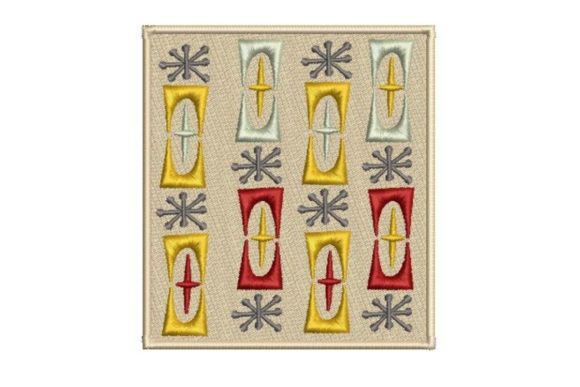
Mid Century Modern Paper: A Designer’s Craft Fair Review
As an embroidery designer who has spent countless weekends behind a booth table, I have learned that not every design translates well from the screen to the sales floor. When I first loaded Mid Century Modern Paper into my digitizing software, I was looking for something that would cut through the noise of a busy handmade market. This machine embroidery design promises an artistic and beautiful aesthetic, adding a delicate and fresh touch to garments. But does it hold up under the harsh fluorescent lights of a convention center or the natural light of an outdoor fair? After stitching several samples, I am ready to share my honest assessment for fellow crafters, Etsy sellers, and boutique makers.
First Impressions: Delicate Freshness Meets Retro Cool
The title alone sets a specific expectation. "Mid Century" suggests clean lines, geometric shapes, and a touch of nostalgia, while "Paper" implies a flat, graphic quality. Upon reviewing the stitch pattern, I found that Mid Century Modern Paper delivers on this promise. It feels minimal yet decorative, striking a balance between modern simplicity and vintage charm. For those of us selling small shop products, this mood is incredibly versatile. It does not scream for attention like a neon sign; instead, it invites the customer to lean in closer. This subtle engagement is crucial for Backgrounds category designs, which often serve as the foundation for a larger product narrative rather than the sole focal point.
Product Versatility: Where This Design Shines
One of the biggest challenges for any embroidery business owner is maximizing the utility of a single digital embroidery file. I tested this design across various substrates to see where it performed best. Here is how Mid Century Modern Paper fared on common craft fair items:
- Tote Bag Design: This was the standout winner. The delicate nature of the design contrasts beautifully with the sturdy canvas of a tote. It looks intentional and high-end, elevating a basic bag into a premium accessory.
- Apron Embroidery: Placed on the bib or the lower corner, the design adds a touch of whimsy without overwhelming the garment. It appeals to customers looking for functional art in their kitchen.
- Tea Towel Embroidery: Because the design is described as adding a fresh touch, it works wonderfully on linen or cotton towels. However, care must be taken with the fabric texture to ensure the stitches do not sink.
- Embroidered Patch: While possible, the delicate details might get lost if the patch is too small. I recommend using this for medium to large patches where the intricate lines can breathe.
- Pillow Covers: As a Backgrounds element, it creates a sophisticated look when repeated or placed asymmetrically on neutral-toned pillows.
For Etsy sellers and digital sellers, this versatility means you can create multiple printable mockup listings from one purchase, increasing your perceived value and conversion rates.
Production Practicality for Batch Selling
When preparing for a weekend craft fair, time is money. I evaluated Mid Century Modern Paper based on its production efficiency. The design appears to have a balanced stitch density, which is critical for preventing puckering on lighter fabrics like tea towels or thin cotton tote bags. Because it comes with multiple embroidery file formats, you can easily adjust the size to fit different hoop sizes without losing clarity. This flexibility is essential for commercial embroidery operations where you might need to switch from a 4x4 hoop for patches to a 5x7 or larger hoop for aprons quickly.
Photographing this design for online listings is also straightforward. The clean lines and artistic composition look crisp in photos, making it easier to create appealing visual assets for your shop. Whether you are using a smartphone or a professional camera, the contrast between the thread colors and the fabric tends to pop, provided you choose the right palette.
Careful-Use Notes and Technical Considerations
While Mid Century Modern Paper is a strong contender for your product line, there are technical nuances to consider before you start mass-producing. As an experienced designer, I advise paying close attention to the following:
- Fabric Texture: On textured towels or thick denim, the finer details of the design may lose clarity. Always test on scrap fabric first to ensure the stitches lay flat and visible.
- Thread Contrast: Since the design is delicate, low-contrast thread colors (like beige on white) might make the design disappear from a distance. Choose thread colors that offer enough contrast to be seen at a glance but still maintain the soft, fresh aesthetic.
- Curved Surfaces: Stitching this on caps requires careful hooping. The curved surface can distort geometric mid-century lines. Use a cap frame and appropriate stabilizer to keep the design crisp.
- Dense Stitch Areas: Check the digitizing for any overly dense sections. If the stitch density is too high for lightweight fabric, it can cause tearing or stiffness. Adjust your stabilizer choice accordingly—cut-away for stretchy fabrics, tear-away for stable wovens.
- Small Lettering or Details: If the design includes tiny elements, ensure they are above the minimum threshold for your needle size. Tiny details can break or bunch up if the thread is too thick.
Enhancing Visual Appeal and Brand Consistency
In a crowded marketplace, brand consistency is key. Mid Century Modern Paper offers a cohesive look that can tie together a entire collection. Imagine a booth display where your tote bags, aprons, and pillow covers all feature variations of this same artistic theme. This repetition creates a strong visual identity that buyers recognize and trust. It signals professionalism and attention to detail, which increases the perceived value of each handmade product.
Furthermore, this design encourages buyer engagement. Customers love to touch and examine intricate embroidery. The delicate touch of this design invites interaction, giving you the opportunity to start a conversation about your process, your materials, and your brand story. This personal connection is often what converts a browser into a buyer.
Final Designer Verdict
Before you commit to full-scale production, remember to check the specific license terms included with your digital embroidery file. Confirm whether it allows for commercial embroidery sales, especially if you plan to sell finished products on platforms like Etsy or at local fairs. Also, verify the exact hoop sizes supported to ensure compatibility with your machine.
Create at least one real mockup before listing. Compare different fabric colors to see which combination highlights the mid-century vibe best. Test the design on scrap fabric to confirm the stitch density works with your preferred stabilizer. By taking these precautions, you ensure that every finished product meets your high standards.
In conclusion, Mid Century Modern Paper is a valuable addition to any embroidery designer’s library. It is practical, aesthetically pleasing, and versatile enough to work across a wide range of craft fair products. With careful attention to fabric choice and thread contrast, it can become a staple in your best-selling lineup, helping you stand out in the competitive world of handmade goods.