Reusable Coffee Cups: A Designer’s Review for Merch
As an embroidery designer who has spent years digitizing files for small businesses, I look at every new machine embroidery design with a critical eye. It is not just about whether the art looks pretty on a screen; it is about how it translates to fabric, how it holds up in the wash, and most importantly, how it serves the brand identity of the client. Today, I am reviewing the Reusable Coffee Cups design, a piece that promises to add a fancy touch to any project. For shop owners, Etsy sellers, and apparel decorators, understanding the practical application of this embroidery file is crucial before adding it to your commercial library.
First Impressions and Visual Personality
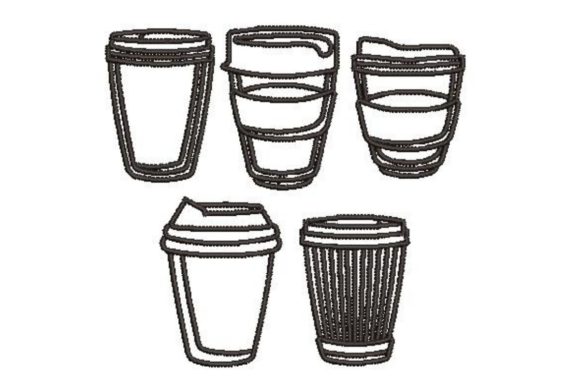
The title Reusable Coffee Cups immediately suggests a theme centered around sustainability, café culture, and modern lifestyle branding. In the context of the product description, which notes that this design will add a "fancy touch," we can infer a stylistic direction that leans toward elegance rather than rugged utility. This is significant for business owners in the Tea and coffee sectors who want to elevate their perceived value.
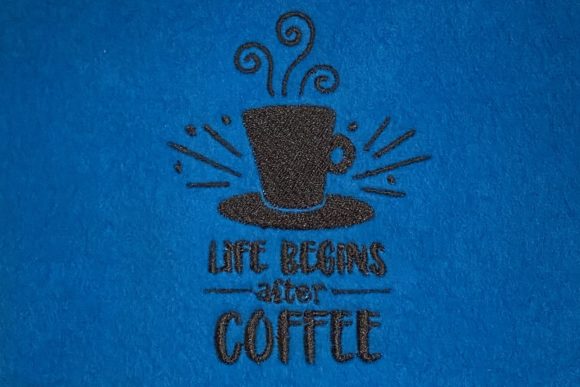
When evaluating this for small business merch, the visual personality appears to be decorative and premium. It is not merely a functional icon; it is intended to be an artistic statement. This makes it ideal for boutique brands, creative studios, and handmade shops that rely on aesthetic appeal to drive sales. The design likely features flowing lines or intricate details that mimic the steam or shape of a cup, offering a sophisticated alternative to blocky, corporate logos.
Strategic Applications for Branded Merchandise
For a local café, bakery, or florist, the versatility of this design is its strongest asset. Here is how I envision this digital embroidery file performing in real-world commercial projects:
- Apron Embroidery: This is perhaps the most natural fit. An apron with a finely embroidered coffee cup motif signals professionalism and attention to detail. It turns staff uniforms into walking advertisements that feel high-end rather than cheap.
- Tote Bag Design: Reusable items pair perfectly with reusable themes. Placing this design on canvas tote bags creates a cohesive product line for customers who want to carry their brand values with them.
- Embroidered Patch: If the design allows for clean edges, it can be digitized as a standalone patch. These can be sold as add-ons or used to brand denim jackets and caps without committing to permanent embroidery on delicate fabrics.
- Cap Embroidery: A smaller, simplified version of this design could work beautifully on the side or back of a trucker hat, offering subtle branding that appeals to younger demographics.
By integrating this Embroidery asset into your design assets folder, you offer clients a way to create a unified look across different touchpoints, from staff uniforms to customer gifts.
Technical Considerations and Production Risks
While the aesthetic promise is strong, experienced embroiderers know that "fancy" often means complex. Before running this on a production machine, there are several technical factors to evaluate to ensure a high-quality finished product.
Stitch Density and Fabric Texture
Designs described as "fancy" often have higher stitch density to achieve smooth fills and detailed outlines. On textured fabrics like terry cloth towels or heavy canvas, high density can cause puckering. I recommend testing this design on a similar weight fabric to your final product. If the design is dense, ensure you are using the correct stabilizer—likely a cut-away for stretchy garments or a heavy tear-away for stable wovens—to prevent distortion.
Scale and Legibility
One common pitfall with decorative designs is losing detail at small sizes. If you plan to use this as a chest logo on a polo shirt or a small mark on a pocket, check the spacing of the elements. Fine lines may merge if scaled down too far. Always create a printable mockup at 100% scale to verify that the intricate parts of the coffee cup design remain distinct and do not turn into a blob of thread.
Thread Colors and Contrast
The description mentions the design comes with multiple options, but it does not specify exact thread colors. For dark uniforms, such as navy or black aprons common in coffee shops, you must ensure the design has enough contrast. A pastel or light-colored thread will pop, but if the design relies on subtle shading, it may get lost on dark backgrounds. Test it in black and white first to check the structural integrity of the design before committing to color.
Enhancing Brand Identity and Customer Trust
In the competitive world of custom apparel and handmade goods, consistency is key. Using a cohesive design like Reusable Coffee Cups helps build brand identity. When a customer sees the same elegant motif on your website, your packaging, and your staff’s attire, it reinforces trust. It signals that your business is established and cares about presentation.
For Etsy sellers and crafters, this design can differentiate your products from mass-produced items. An embroidered detail adds tactile value that prints cannot match. It transforms a simple tote bag or cap into a premium item that commands a higher price point. This is particularly effective for businesses in the Tea industry, where the experience of slowing down and enjoying a beverage is central to the brand message.
Practical Designer Notes for Implementation
Before you sell this design or use it for a client order, follow this checklist to ensure professional results:
- Check Licensing: Confirm the commercial licensing terms. The description says to "add it to your collection," but always verify if you can sell finished goods made with this file or if it is for personal use only.
- Verify File Formats: Ensure the download includes the format compatible with your machine (PES, DST, JEF, etc.).
- Test Hoop Size: Determine the minimum hoop size required. Do not attempt to squeeze a large design into a small hoop, as this can damage your machine or distort the artwork.
- Inspect Underlay: If you have access to the editing software, check the underlay stitches. Good underlay stabilizes the fabric and prevents the top stitches from sinking in, which is vital for a clean look on plush fabrics.
- Create Mockups: Use digital tools to place the design on various products. Show these to your clients for approval before stitching, ensuring they understand the scale and placement.
In conclusion, the Reusable Coffee Cups design offers a stylish solution for businesses looking to add a touch of elegance to their merchandise. By carefully considering stitch density, fabric choice, and placement, you can leverage this commercial embroidery asset to create stunning, durable, and brand-enhancing products. Whether for a local café’s aprons or a boutique’s tote bags, this design has the potential to become a staple in your professional toolkit.