Review: Eyeglass Case Pisces Zodiac Sign Design
As a designer who spends more time staring at stitch maps than actual fabric, I have learned to be skeptical of zodiac-themed machine embroidery design files. They often suffer from one of two extremes: overly simplistic clip-art styles that lack professional polish, or excessively dense digitizing that puckers even the sturdiest canvas. When I pulled up the Eyeglass Case Pisces Zodiac Sign file for a recent client project, my initial concern was whether the aquatic motifs would translate cleanly into thread without losing definition.
The context for this review was specific. A boutique owner approached me to create a line of personalized accessories for her spring collection, targeting customers who value astrological symbolism but dislike tacky, mass-produced items. She needed something that felt handmade yet refined. The Eyeglass Case Pisces Zodiac Sign caught my eye because it utilizes the in-the-hoop technique, which immediately suggests a higher level of structural integrity compared to flat appliques. However, visual appeal means nothing if the stitching process is a nightmare. Here is my breakdown of how this design performs in real-world embroidery scenarios.
First Impressions and Visual Personality
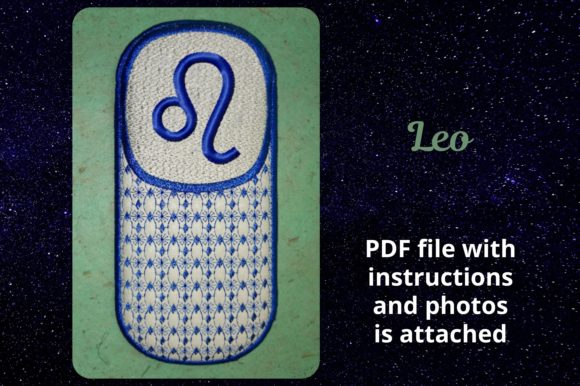
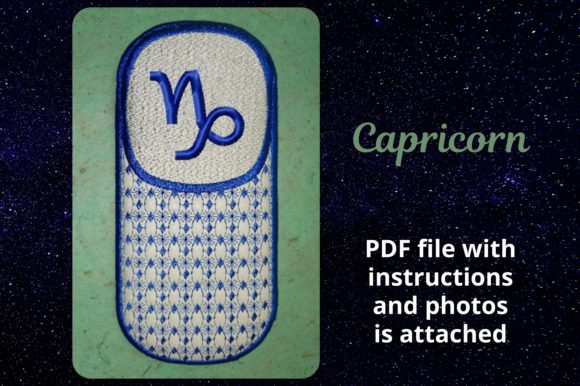
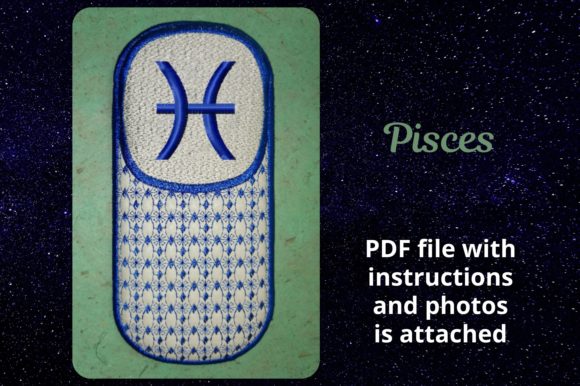
The first thing you notice about this embroidery file is its balance. The Pisces symbol, typically represented by two fish connected by a cord, can easily look cluttered if the digitizer does not manage the negative space well. In this design, the layout feels intentional. The curves of the fish are smooth, suggesting a thoughtful use of satin stitch boundaries rather than jagged, automated paths. The mood is whimsical but grounded, making it suitable for a wide demographic beyond just hardcore astrology enthusiasts.
For an Etsy seller or craft business owner, visual clarity is currency. If a customer cannot identify the symbol from a thumbnail image on their phone, they will scroll past. This design maintains its recognizability even at smaller scales, which is crucial for accessories like eyeglass cases where real estate is limited. The thematic elements do not overwhelm the functional shape of the case, allowing the zodiac sign to serve as a elegant accent rather than a chaotic centerpiece.
Performance in Real-Life Stitching
I tested this design on a medium-weight cotton twill, which is a standard choice for durable handmade product lines. The in-the-hoop construction requires precision, and this file held up remarkably well during the hoop-and-stitch process. The registration—the alignment of the different layers—was accurate, meaning I did not have to manually adjust the fabric between color changes. This is a significant time-saver for anyone running a small shop product line where efficiency dictates profit margins.
The stitch density appeared moderate. It was not so light that the backing showed through, nor so heavy that it created a stiff, cardboard-like texture. This balance is vital for an item that will be handled daily. An eyeglass case needs to be flexible enough to slide into a purse but sturdy enough to protect lenses. The fill stitch areas provided sufficient coverage without adding unnecessary bulk. For those considering this for other applications, such as a tote bag design or a decorative patch, the versatility is evident. It could easily transition from a functional accessory to a decorative element on a sweatshirt embroidery project, provided you adjust the stabilizer accordingly.
Navigating Fabric and Hoop Constraints
While the design is robust, it is not without its limitations. Because it is an in-the-hoop project, your hoop size is non-negotiable. You must ensure your machine can accommodate the required dimensions before purchasing. I recommend checking the specific file details provided by the creator, as these can vary between versions. Additionally, the complexity of the fish tails requires careful attention when working with textured fabrics. On a fluffy fleece or a loosely woven linen, the finer details might get lost or cause pulling.
If you plan to use this on stretchy materials for custom apparel, a cut-away stabilizer is mandatory. The in-the-hoop technique involves multiple steps, and any shift in the fabric can ruin the final closure. I also advise against using this on very dark fabrics unless you are confident in your thread colors contrast. The subtle shading in the design relies on tonal variation, which can disappear if the thread blends too closely with the background. Always run a test stitch on scrap fabric first. This simple step saves hours of frustration and prevents wasted materials.
Commercial Viability and Brand Consistency
From a business perspective, the Eyeglass Case Pisces Zodiac Sign offers strong potential for personalized gift markets. Zodiac signs are evergreen sellers, particularly around birthdays and holiday seasons. However, standing out in a saturated market requires quality. This design lends itself well to printable mockup creation because the finished product looks professional and polished. High-quality photos of the stitched case can significantly boost buyer engagement on platforms like Etsy.
It is important to consider the perceived value. A poorly stitched zodiac item looks like a cheap novelty. A well-executed one, like this, feels like a bespoke Accessories piece. This distinction affects customer trust and repeat business. If you are building a brand around celestial or mystical themes, consistency in digitizing quality is key. This file fits seamlessly into a broader collection of design assets, allowing you to maintain a cohesive aesthetic across different products, from baby embroidery items to home decor.
Practical Designer Notes
Before integrating this into your production workflow, keep the following points in mind:
- Check Licensing: Always confirm whether the digital embroidery file allows for commercial use. Some creators permit selling finished items but restrict the sale of the digital file itself.
- Thread Selection: Use high-quality rayon or polyester threads to achieve the sheen that complements the aquatic theme. Matte cotton threads may dull the visual impact.
- Stabilizer Choice: For in-the-hoop projects, a medium-weight cut-away stabilizer provides the best support without adding excessive stiffness.
- Test on Scrap: Never skip the test stitch. Verify that the trim lines are clear and that the final folding mechanism works smoothly with your chosen fabric thickness.
- Contrast Check: View your design in black and white on your computer screen. If the details merge into a gray blob, you need to adjust your thread colors for better definition.
In conclusion, the Eyeglass Case Pisces Zodiac Sign is a solid addition to any designer’s library. It balances artistic charm with technical practicality, making it suitable for both hobbyists looking to create a holiday embroidery gift for a friend and professionals scaling their commercial embroidery offerings. It respects the constraints of the in-the-hoop technique while delivering a finished product that feels thoughtful and well-crafted. Just remember to respect the material limits, choose your stabilizer wisely, and always prioritize a clean test stitch before committing to your final fabric.