Review: Stack of Books and Coffee Embroidery Design
As an embroidery designer who spends countless hours digitizing and testing files, I have learned that not every machine embroidery design is created equal. Some look beautiful in a thumbnail but fall apart under the needle. Others are over-digitized, causing puckering and thread breaks. When I stumbled upon Stack of Books and Coffee on Creative Fabrica, I was immediately drawn to its cozy aesthetic. It promised a sweet linen feel, perfect for those relaxing Sunday afternoons, but I needed to know if it could hold up in a real-world production environment.
This review is written from the perspective of a professional looking to integrate this design into a commercial workflow. Whether you are an Etsy seller, a boutique owner, or a hobbyist looking to elevate your handmade gifts, understanding the technical nuances of a file before you download it is crucial. Here is my honest evaluation of how this design performs, where it shines, and what you need to consider before stitching it out.
First Impressions and Visual Appeal
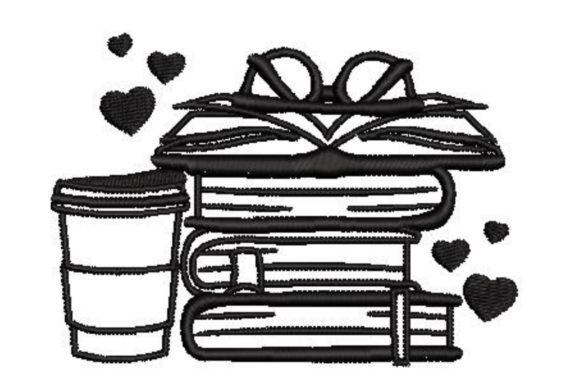
The initial visual mood of Stack of Books and Coffee is warm and inviting. It captures a specific lifestyle niche that resonates deeply with book lovers and coffee enthusiasts. The design elements suggest a balance between detailed illustration and stitchable simplicity. In the world of Creative Fabrica embroidery, finding designs that do not look overly clip-art-like is a challenge. This file appears to have a distinct personality, avoiding the generic look that plagues many mass-market assets.
The decorative appeal lies in its potential for storytelling. It is not just a picture; it evokes a feeling of comfort. For apparel decorators and creative entrepreneurs, this emotional connection is vital. When a customer sees this design on a hoodie or a tote bag, they are buying into the idea of relaxation and leisure. This makes it an excellent candidate for seasonal handmade gifts or boutique merchandise aimed at readers and students.
Performance in Real Embroidery Projects
To truly test the viability of this embroidery file, I considered how it would perform across various substrates. The product description mentions it is perfect for a cozy hoodie, which is a great starting point. However, its versatility extends further. Here is how I envision using this design in actual production:
- Custom Apparel: The design works beautifully on sweatshirt embroidery projects. The relaxed theme pairs well with heavyweight cotton blends.
- Tote Bag Design: A canvas tote featuring this motif would be a bestseller at craft fairs. The sturdy fabric supports the stitch density well.
- Kitchen Towels and Aprons: For home decor, this design adds a charming touch to linen or cotton towels, appealing to those who love a cottage-core aesthetic.
- Embroidered Patch: If digitized with a border or satin edge, this could make a fantastic iron-on patch for backpacks or denim jackets.
- Nursery Decor: While categorized broadly, the gentle nature of books and warm drinks can fit into a quiet reading nook in a child’s room, provided the color palette is soft.
For digital product sellers, this asset is also valuable for creating printable mockups. High-quality renderings of this design on various products can help boost engagement on social media and improve the visual appeal of your online store listings.
Technical Considerations and Stitching Notes
While the aesthetic is promising, the technical execution is where many designs fail. The description notes that it is "very well digitized," but as a professional, I always verify this claim through practice. Here are the critical factors to monitor when working with Stack of Books and Coffee:
Fabric and Stabilizer Selection
The mention of a "linen embroidery design" suggests a texture that might rely on specific stitch types like fill stitch or running stitch to mimic fabric grain. When stitching on textured fabric or stretchy material like a hoodie, proper stabilization is non-negotiable. I recommend using a cut-away stabilizer for garments to prevent distortion after washing. For woven fabrics like tote bags, a tear-away might suffice, but always test on scrap fabric first.
Stitch Density and Detail
Dense stitch areas can cause puckering, especially on lighter fabrics. If this design includes small details, such as the titles on the books or steam from the coffee cup, you must check the stitch density. Tiny lettering or intricate lines may require careful thread tension adjustments. If the design uses satin stitch for outlines, ensure the width is appropriate for the hoop size you are using. Overly wide satin stitches on curved surfaces, like caps, can snag easily.
Hoop Size and Placement
Before purchasing, confirm the available hoop sizes. A design that looks balanced in a 5x7 hoop might feel cramped in a 4x4. For larger items like pillow covers or aprons, ensure the file scales well without losing definition. If you are stitching on dark fabric, consider how the thread colors will contrast. A mockup comparison on both light and dark backgrounds can save you from costly mistakes in thread selection.
Enhancing Product Value and Brand Consistency
Incorporating high-quality designs like Stack of Books and Coffee can significantly impact your brand perception. Buyers trust products that look professional and well-finished. A clean, well-digitized design reduces the risk of thread breaks and retrains, leading to a higher quality finished product. This reliability builds buyer trust and encourages repeat customers.
For handmade shop owners, consistency is key. Using a cohesive set of design assets helps establish a recognizable brand identity. This particular design fits well within a niche focused on comfort, literacy, and slow living. By offering this on multiple items—such as a matching set of a mug rug and a bookmark—you increase the perceived value and giftability of your offerings.
Final Verdict and Practical Advice
Is Stack of Books and Coffee worth downloading? Based on its described qualities and potential applications, it shows strong promise for commercial embroidery projects. However, due diligence is required. Since specific technical details like exact stitch count, file formats, and machine compatibility are not fully detailed in the brief description, you must check the product page on Creative Fabrica before use.
- Verify Licensing: Ensure the license allows for commercial use if you plan to sell finished items. Most Creative Fabrica subscriptions include this, but always double-check.
- Test Stitch: Never run a full production batch without stitching a sample on your intended fabric.
- Check File Details: Confirm that the file includes the formats compatible with your machine (e.g., PES, DST, JEF).
- Inspect Small Details: After the test stitch, inspect the smallest elements closely. Trim any jumps carefully to maintain a clean look.
In conclusion, this design offers a charming addition to any embroidery library, particularly for those targeting the cozy, literary niche. With proper preparation and attention to technical details, Stack of Books and Coffee can become a staple in your portfolio of personalized gifts and custom apparel. Happy stitching!