Mouse House: A Farm-Style Embroidery Review
As an embroidery designer who has spent countless weekends behind a craft fair table, I have learned that not every design translates from the screen to the hoop with equal success. When I first loaded the Mouse House machine embroidery design into my software, I was looking for more than just cuteness. I was looking for a product that would stop a shopper in their tracks, hold up under scrutiny, and be practical enough to produce in batches for a busy market season. This review breaks down how this specific design performs in the real world of handmade sales.
First Impressions and Market Fit
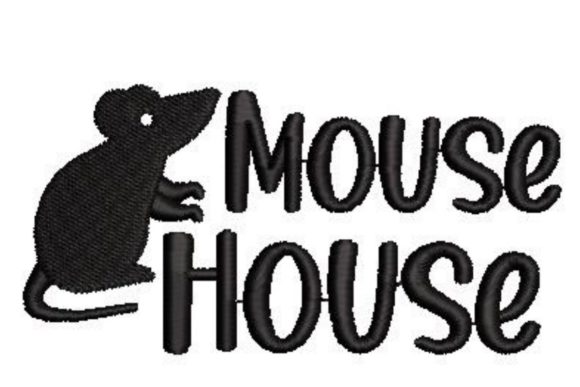
The immediate vibe of Mouse House is undeniably charming. It fits squarely into the popular Farm aesthetic that continues to dominate home decor trends. The description promises a fun touch for pillows and accessories, and visually, it delivers on that promise. It feels rustic yet polished, avoiding the trap of looking too juvenile or overly complex. For a craft fair seller, this balance is critical. You need a design that appeals to adults looking for whimsical home accents as much as it appeals to those buying gifts for children.
When evaluating a new digital embroidery file, I always ask myself if it reads well from three feet away. Mouse House has strong outlines and clear shapes, which means it does not get lost in the fabric texture. This clarity is essential for a booth display where customers are scanning tables quickly. It feels like a premium small shop product rather than a mass-produced item, provided you choose your materials wisely.
Product Applications That Sell
The versatility of this design is its strongest asset. While the description mentions pillows, my experience suggests expanding your product line to maximize return on investment. Here is how Mouse House performs across different items:
- Tote Bag Design: Placing Mouse House on a natural canvas tote creates an instant bestseller. The contrast of the thread against the neutral fabric highlights the details. It is a practical craft fair product that people actually use, increasing brand visibility after the sale.
- Apron Embroidery: Kitchen-themed items are staples at handmade markets. An apron featuring this design becomes a giftable item for housewarmings or holidays. Ensure the placement is high enough to be seen when the apron is folded for packaging.
- Tea Towel Embroidery: This is a high-volume, low-cost item. However, tea towels often have a loose weave. You must test the stitch density to ensure the design does not pucker the fabric. If the design holds up, these become excellent impulse buys.
- Embroidered Patch: If you want to offer a lower-price-point item, consider stitching Mouse House on twill and cutting it out as a patch. This allows customers to apply it to their own jackets or bags, adding value without extra labor on your part.
- Pillow Covers: As suggested by the product description, this is a natural fit. A linen pillow cover with Mouse House centered creates a cozy, farmhouse feel that pairs well with seasonal decor.
Production Practicality and Batch Efficiency
For any Etsy seller or boutique maker, time is money. Mouse House appears to be designed with production in mind. The shapes are distinct, which suggests that the stitch count is likely optimized to avoid excessive run times while still providing coverage. When preparing for a fair, I look for designs that can be hooped quickly and stitched reliably. This design seems to fit that criteria, allowing for repeatable results across multiple units.
Photography is another crucial factor. A design that looks good in person but flat in photos will struggle in online listings. Mouse House has enough dimension and character to create engaging printable mockup images for your Etsy shop. The clear lines help potential buyers visualize the finished product even on a small smartphone screen.
Careful-Use Notes for Professional Results
While the design is robust, there are technical considerations to keep in mind to maintain quality control:
- Fabric Texture: Avoid using this design on highly textured fabrics like heavy bouclé or shaggy towels. The fine details may get lost. Stick to smooth cottons, linens, or tight-weave canvas.
- Dark Fabric: If stitching on dark fabric, ensure you use high-contrast thread colors. Lighter threads on dark backgrounds make the design pop, but you may need to adjust your tension to prevent puckering.
- Curved Surfaces: Stitching on caps requires careful stabilization. Because Mouse House has a horizontal spread, it may distort on a highly curved cap front. Test on a scrap cap before committing to a full batch.
- Small Details: If you plan to scale the design down significantly for small pouches, check that the smallest elements do not become indistinct blobs of thread. Always verify the minimum viable size.
Enhancing Visual Appeal and Brand Consistency
Incorporating Mouse House into your lineup can strengthen your brand identity if you are positioned as a creator of wholesome, handmade goods. It signals attention to detail and a love for traditional crafts. To maximize buyer engagement, pair the embroidered item with complementary products. For example, display the Mouse House pillow next to a matching set of coasters or a jar of local honey. This creates a lifestyle vignette that helps customers imagine the product in their own homes.
Consistency in thread colors is also key. Choose a palette that reflects your brand—perhaps earthy tones for a rustic look or pastels for a softer appeal. Stick to these colors across all your Mouse House products to create a cohesive booth display.
Technical Checklist for the Designer
Before you launch this design into your commercial embroidery workflow, follow these steps to ensure professional results:
- Test on Scrap Fabric: Never skip this step. Use the same type of fabric you intend to sell to check for registration issues.
- Check Thread Contrast: Ensure your chosen thread colors stand out against the background fabric. Poor contrast kills visual impact.
- Review Spacing and Hoop Size: Confirm that the design fits comfortably within your standard hoop size without needing excessive re-hooping, which slows down production.
- Inspect Stitch Density: Look for areas where stitches might overlap excessively, which can cause thread breaks or fabric stiffness.
- Use the Right Stabilizer: Match your stabilizer to the fabric weight. A cut-away stabilizer might be necessary for stretchy fabrics, while tear-away works for stable wovens.
- Create a Real Mockup: Photograph a physical sample rather than relying solely on digital renderings. Customers trust real photos more.
- Confirm Commercial Licensing: The description notes that the file comes in multiple formats and can be used with mult... (text cuts off). It is vital to read the full license agreement included with the digital embroidery file. Ensure you have the rights to sell finished products commercially. Do not assume; verify.
In conclusion, Mouse House is a strong contender for your next craft fair collection. It balances charm with practicality, offering a versatile design assets package for various products. By paying attention to fabric choice, stitch quality, and presentation, you can turn this simple embroidery pattern into a standout item that drives sales and builds customer loyalty. Whether you are an experienced embroidery business owner or just starting your handmade journey, this design offers a reliable path to creating beautiful, sellable goods.